A COD parcel has missed delivery and the courier's window is closing. The customer has not answered earlier messages. Your team knows the next step may be a return to origin. A last-chance message can help, but only if it is clear, honest and tied to what the courier will really do. Urgency without facts just creates confusion.
Confirm what the deadline actually is
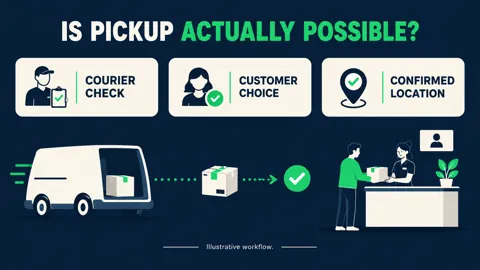
Before writing the message, check the courier's current status and rule for this shipment. If no one can say what happens next or when, do not invent a deadline. The message can say the courier is waiting for an answer and give a way to respond. If a dated cut-off exists, state it plainly.
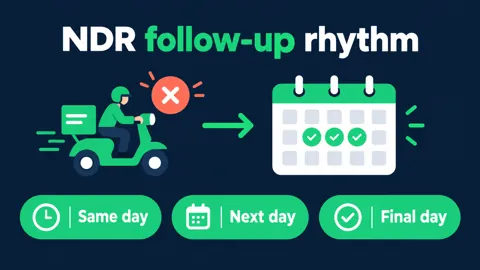
The follow-up rhythm article describes how final messages fit into the sequence. This piece focuses on the wording and the choices that sit inside it.

Give the customer something real to answer
A useful final message asks one thing: do you still want this order? If yes, it asks for a confirmed address or availability. If no, it lets the customer say so. Avoid a message that only warns about cancellation, because it gives the customer nothing to act on.
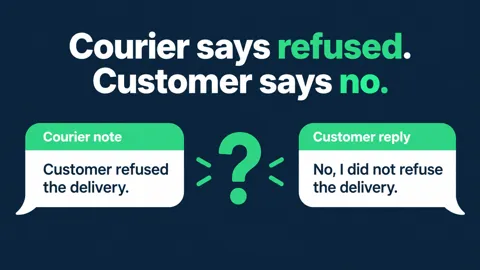
A complaint, dispute or claim that no one called needs a person, not a stricter template. The refusal-dispute article covers why the courier record and the customer's account may disagree.
Keep the tone factual, not threatening
Say what was attempted, what the options are and who to reach if the status looks wrong. Do not imply the customer has done something improper, and do not promise a free reattempt, a refund or a pickup point unless the courier and store have confirmed it. If the reattempt decision is still open, say a person is reviewing it.

Saanvi Studio: one message, then a person
In this fictional example, Priya's COD parcel has two missed attempts. Saanvi Studio checks the courier status, then sends one final message asking whether she still wants delivery and whether the address is complete. She replies with a landmark, so the team requests another attempt through the courier. If she had stayed silent, the shipment would follow the store's return rule and a person would record why.
What Hextor builds behind the message
Hextor's failed-delivery flow asks the customer what happened and ties the answer to the order so the team does not search through chats. During the audit, we can map the final message, the courier statuses that trigger it and the cases a person should take. The courier's actual rules decide what can be offered. Nothing here promises a delivery outcome.
Tap the "Ask anything" WhatsApp button and tell us where your team gets stuck. Start with a free 30-minute audit to discuss what the flow would need to handle in your Shopify store.
Sources and scope: Hextor Labs for the Shopify flow overview; Meta WhatsApp opt-in guidance for messaging permission. Obtain appropriate opt-in, set expectations and honor opt-outs. Saanvi Studio and Priya are fictional illustrations, not customers, testimonials or measured results. These are operational considerations, not guaranteed outcomes.