Two COD orders arrive in the same hour. One buyer has ordered from your store before and received the parcel. The other has never bought anything. If both receive an identical confirmation and an identical wait, your team is treating very different situations as the same. The goal is not to make repeat buyers feel suspected or first-time buyers feel blocked. It is to ask the right question for what the store actually knows.
What the store knows is different for each buyer
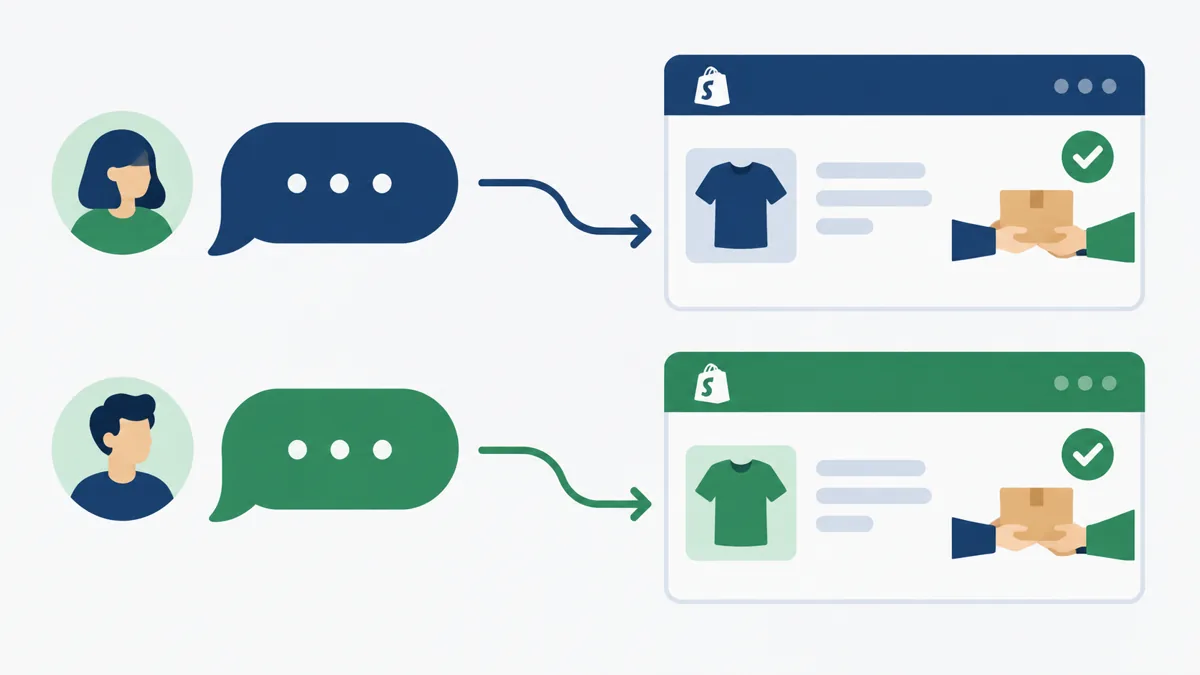
For a returning customer, the order history may already show a delivered address and a previous successful order. For a first-time customer, there is no such record. That difference should affect how much you ask, not whether you respect the customer. Use only information your store already holds, and do not invent a risk score the team cannot explain.
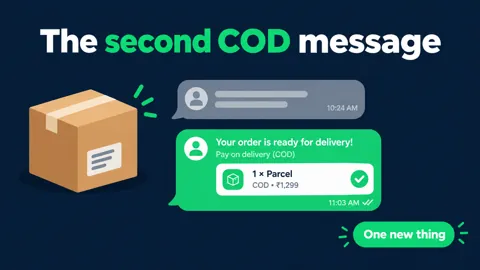
The basic structure of the COD confirmation message stays the same: order, address and a clear reply. The variation is in the follow-up question and in what happens when the reply is unclear.
Ask less when the record is clear
A returning buyer whose previous delivery went to the same address may only need a short confirmation. Showing the saved address and asking whether it is still right respects their time. If they say it changed, the flow should capture the new details and keep the order held until they are checked.
A short question is not the same as skipping confirmation. The confirmed-order article explains why the customer's answer, not the history, is what moves the order forward.
Ask for the missing detail when the record is new
A first-time customer has no delivery history, so the useful question is often about the address: is the landmark, floor or pin code complete enough for the courier? The first-line article covers which order details belong at the top. For a new buyer, the message can add one targeted address check, rather than a long form.
Do not describe a first-time buyer as risky in the message. Frame the extra question as helping the parcel arrive.
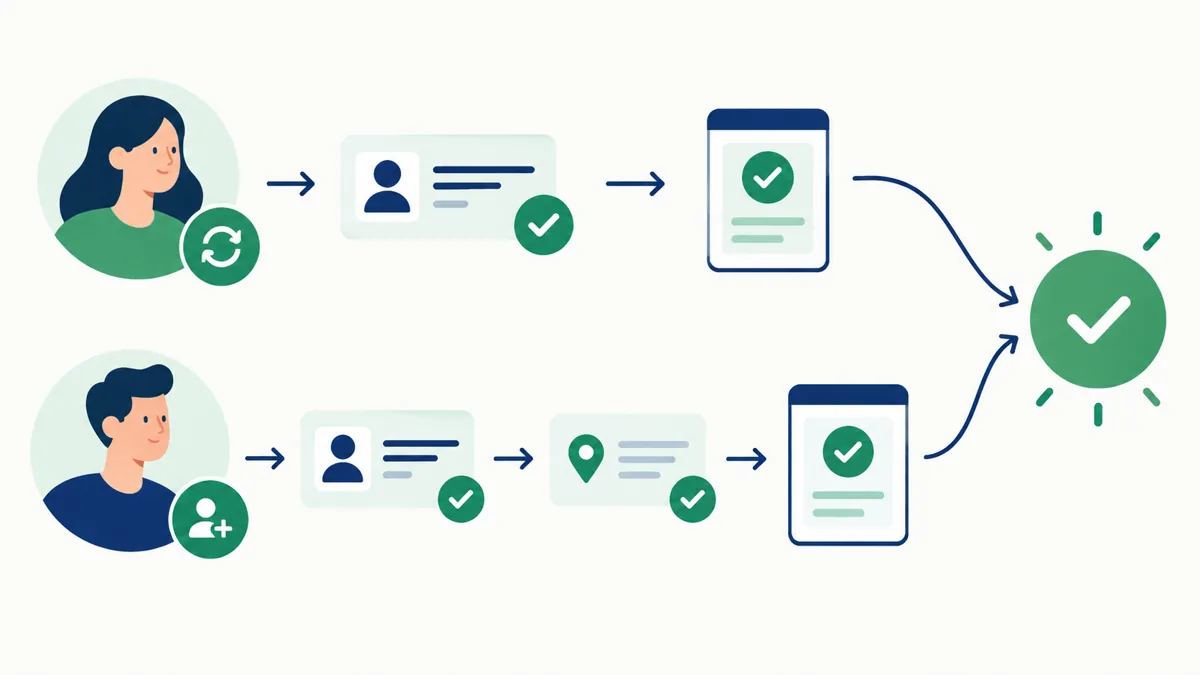
Saanvi Studio: same flow, different question
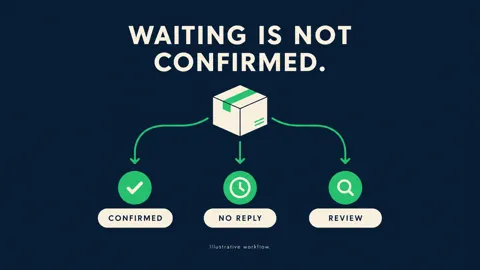
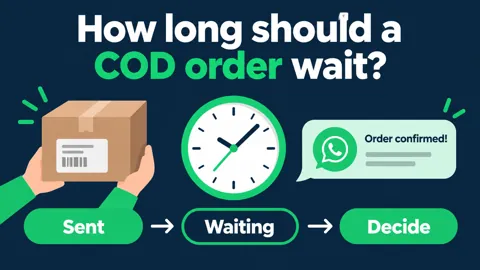
In this fictional example, Priya has bought from Saanvi Studio before and her saved address matches the new order. She receives a short confirmation with that address. A new customer receives the confirmation plus one question about a landmark. If Priya says her address has changed, the order stays held for a person to review the update. If the new customer does not answer, the store's no-reply rule applies, as described in the no-reply article.
What Hextor builds around the difference
Hextor builds WhatsApp COD confirmation flows for Shopify stores, with confirmation before the label is printed. During the audit, you can decide which order data separates a returning customer from a new one, what each message asks and when a person steps in. The flow runs in your own accounts, and the rules stay yours to set. It is not a promise about reply or delivery outcomes.
Tap the "Ask anything" WhatsApp button and tell us where your team gets stuck. Start with a free 30-minute audit to discuss what the flow would need to handle in your Shopify store.
Sources and scope: Hextor Labs for the Shopify flow overview; Meta WhatsApp opt-in guidance for messaging permission. Obtain appropriate opt-in, set expectations and honor opt-outs. Saanvi Studio and Priya are fictional illustrations, not customers, testimonials or measured results. These are operational considerations, not guaranteed outcomes.