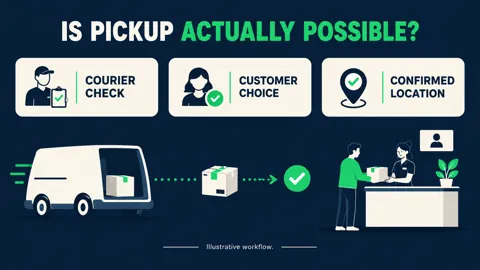
Your team worries that a particular COD order may not be accepted at the door. Offering prepaid payment sounds like a clean answer. It can be, as long as the customer sees it as a choice. If it reads as a demand, you may lose an order that would otherwise have been fine.
Decide what you actually know about the risk
Before any message, be clear about why this order is being flagged. A past refusal, a failed attempt or an incomplete address are specific reasons. A guess about a customer is not. Use only facts the store holds, and do not label anyone in the message. The fake refusal article shows how easily a missed delivery gets read as something else.

Present prepaid as an option the store has approved
The message should say what the customer can do, how it works and that the order is still theirs either way, if the store allows COD for it. If the store has decided COD is no longer available for this order, say so plainly and explain the alternative. Do not hint at a discount or a deadline unless the team has approved it.
Payment links and instructions should come from the store's own checkout, not from improvised wording. Anything involving a refund or a charge dispute should go to a person.
Let a person take the awkward replies
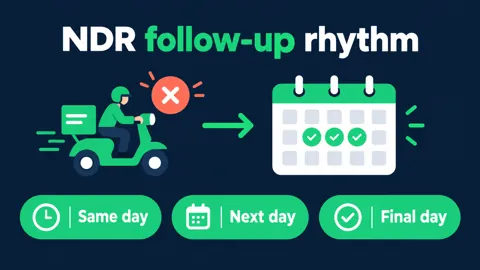
A customer may say they do not want to pay online, or ask why they are being asked. A reply like that needs judgment. The refusal-dispute article covers a related case where the records disagree. Keep the order history attached to the conversation so the person replying does not start from zero. The follow-up rhythm article shows where such a message sits in the sequence.

Saanvi Studio: an option, then a person
In this fictional example, Priya's earlier parcel at Saanvi Studio failed delivery. For her next order, the team sends one message with the order and the choices the store has approved. She replies that she would rather keep COD. A team member reads the order history and decides what the store's rule allows, then answers her directly. Nothing is promised that the store has not agreed to.
What Hextor builds behind the message
Hextor builds Shopify flows that ask the customer, record the answer against the order and bring in a person when it is unclear. During the audit, you can set when a prepaid option is offered, what the message may say and which replies a person owns. The store sets the policy. We do not promise any change in refusals or conversions.
Tap the "Ask anything" WhatsApp button and tell us where your team gets stuck. Start with a free 30-minute audit to discuss what the flow would need to handle in your Shopify store.
Sources and scope: Hextor Labs for the Shopify flow overview; Meta WhatsApp opt-in guidance for messaging permission. Obtain appropriate opt-in, set expectations and honor opt-outs. Saanvi Studio and Priya are fictional illustrations, not customers, testimonials or measured results. These are operational considerations, not guaranteed outcomes.